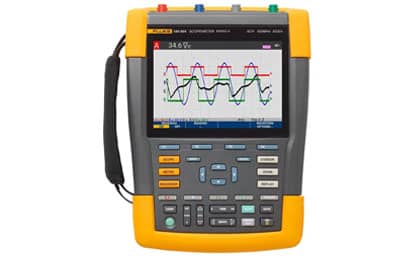
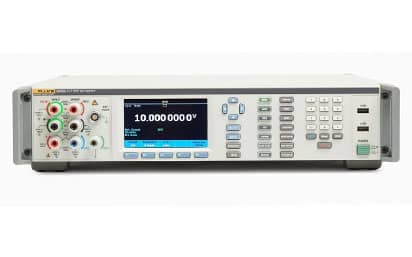
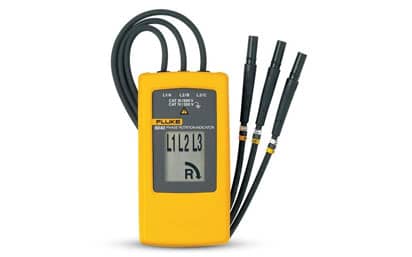
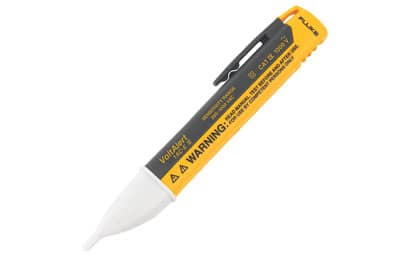
Electrical equipment prices in Bangladesh depend on several key factors, including raw material costs, import duties, brand reputation, and product quality. Fluctuations in global copper and aluminum prices significantly affect cable and wiring costs. Imported items may also be subject to currency exchange rates and shipping expenses. Additionally, advanced or energy-efficient products often come at a higher price due to better technology and durability. Local demand, supplier competition, and government policies also play a role in shaping market prices.

Prices can vary depending on location, supplier, and availability. Major cities like Dhaka and Chattogram often have more competitive pricing due to higher competition among suppliers. In smaller towns, prices may be slightly higher transportation costs and limited availability. Seasonal demand and infrastructure projects can also influence regional price differences.
Local brands are generally more affordable than international brands because they avoid import duties and shipping costs. However, international brands may offer advanced technology, higher durability, and global certifications. Buyers often choose based on budget, project requirements, and long-term value rather than just upfront cost.
Yes, prices can change frequently due to fluctuations in raw material costs, currency exchange rates, and supply chain conditions. For example, an increase in copper prices can directly impact the cost of cables and wiring. Staying updated with market trends helps buyers make informed purchasing decisions.
Bulk purchasing often reduces the overall cost per unit. Suppliers typically offer discounts, promotional deals, and better payment terms for large orders. This is especially beneficial for contractors and businesses managing large-scale projects.
Yes, many suppliers offer mid-range products that balance quality and price. These products meet safety standards and provide reliable performance without the premium cost of high-end brands. Comparing specifications and certifications can help identify cost-effective options.
To find the best price, compare multiple suppliers, check online marketplaces, and request quotations. Building relationships with trusted suppliers can also lead to better deals and exclusive discounts. Always consider warranty and after-sales support when evaluating price.
Energy-efficient electrical equipment often has a higher upfront cost but offers long-term savings through reduced energy consumption. Over time, these savings can outweigh the initial investment, making them a cost-effective choice.
Online platforms may offer competitive pricing due to lower overhead costs and frequent promotions. However, offline stores allow buyers to inspect products physically and negotiate prices directly. Both options have advantages depending on the buyer’s preference.
Prices vary widely depending on the product type. Basic items like switches and sockets are relatively inexpensive, while transformers, industrial panels, and high-capacity cables can be significantly more costly. Understanding your project requirements helps in budgeting effectively.