Energy Audit
- Home
- Solutions

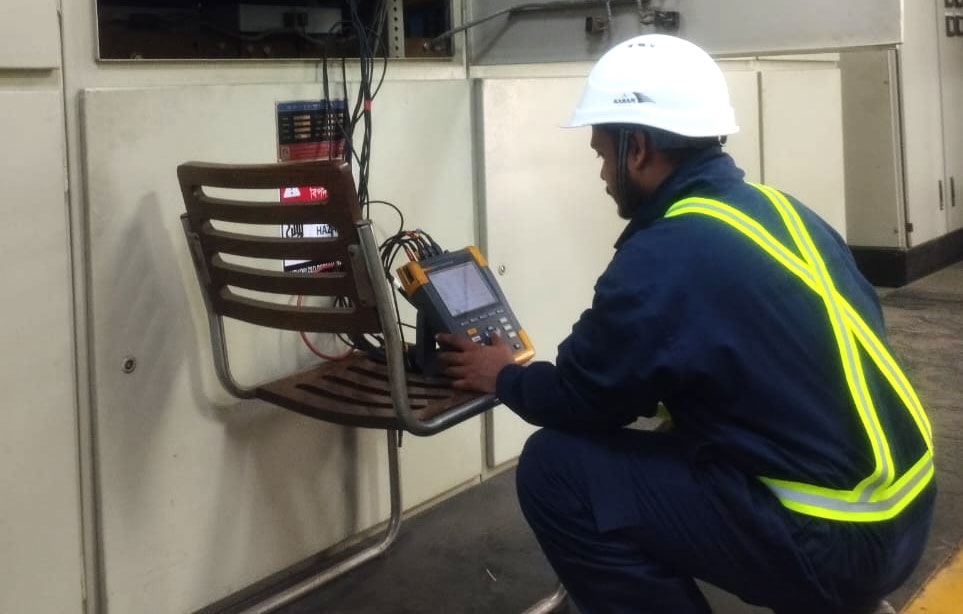
In today’s competitive industrial environment, energy consumption has become one of the biggest operational concerns for factories and commercial facilities in Bangladesh. Industries such as garments, textiles, pharmaceuticals, food processing, manufacturing plants, hospitals, and commercial buildings rely heavily on electrical power to maintain daily operations. As electricity prices continue to increase and production demands become more challenging, businesses are now focusing more on reducing energy waste and improving operational efficiency.
Many industries unknowingly lose a significant amount of energy through inefficient electrical systems, overloaded equipment, poor power quality, outdated machinery, improper load management, and inefficient operational practices. These hidden inefficiencies not only increase electricity bills but also reduce equipment performance, increase maintenance costs, and affect overall productivity. In some cases, poor energy management can even shorten the lifespan of expensive industrial equipment.
This is where professional Energy Audit Service in Bangladesh becomes extremely important. An energy audit helps industries identify areas where energy is being wasted and provides practical recommendations to improve efficiency, reduce operational costs, and optimize overall energy usage. A detailed energy audit does not simply focus on reducing electricity bills; it also helps industries improve system performance, operational reliability, environmental sustainability, and long-term profitability.
Unique Prime Engineering Solutions provides professional energy audit services for industrial and commercial facilities across Bangladesh, helping businesses improve energy efficiency through practical engineering analysis and modern energy management solutions.
An energy audit is a detailed technical assessment of how electrical energy is being used within a facility, factory, or industrial plant. The purpose of the audit is to identify energy losses, inefficient systems, excessive power consumption, and operational areas where improvements can be made.
During an energy audit, engineers carefully analyze electrical systems, machinery, operational processes, load distribution, and energy consumption patterns. The audit process helps businesses understand exactly where electricity is being consumed and where unnecessary energy loss is occurring. This information allows industries to make informed decisions that improve energy efficiency and reduce operating expenses.
A professional energy audit service typically includes:
In Bangladesh, where many industries operate continuously for long production hours, energy audits have become an essential part of industrial cost optimization and sustainable facility management.
Industries in Bangladesh are growing rapidly, especially in sectors such as garments, textiles, steel, cement, pharmaceuticals, and manufacturing. However, many facilities still operate with inefficient electrical systems and outdated energy management practices. This results in unnecessary power consumption, higher operational costs, and reduced system performance.
Energy audit services help industries identify these inefficiencies and create practical solutions to improve energy performance without affecting production quality.
Reduce Electricity Costs
One of the biggest benefits of an energy audit is identifying areas of unnecessary energy consumption. Many factories waste electricity through inefficient motors, poor load balancing, low power factor, and outdated lighting systems. An energy audit helps businesses reduce monthly electricity expenses by improving energy usage efficiency.
Improve Equipment Performance
Electrical equipment performs more efficiently when systems are properly balanced and optimized. Poor power quality, voltage fluctuations, and overloaded systems can reduce equipment performance and increase maintenance requirements. Energy audits help improve operational reliability and reduce stress on industrial machinery.
Increase Operational Efficiency
An optimized electrical system allows factories to maintain smoother production operations. Proper energy management reduces equipment downtime, improves productivity, and supports stable manufacturing performance.
Support Sustainable Industrial Growth
Energy-efficient industries consume less electricity and reduce unnecessary energy waste. This contributes to environmental sustainability while also helping businesses achieve long-term operational stability.
Improve Power Quality
Power quality issues such as voltage imbalance, harmonic distortion, and low power factor can affect industrial performance. Energy audits help identify these problems and recommend corrective actions.
During energy audits, engineers often identify several common energy inefficiencies in industrial facilities across Bangladesh.
Inefficient Motors and Machinery
Old or overloaded motors consume excessive electricity and operate inefficiently. Improper maintenance also increases power consumption.
Poor Power Factor
Low power factor increases electricity demand charges and reduces system efficiency. Many factories pay unnecessary utility penalties because of poor power factor management.
Overloaded Electrical Systems
Overloaded transformers, panels, and cables generate excessive heat and energy loss.
Energy Waste from Lighting Systems
Outdated lighting systems consume more electricity than modern energy-efficient alternatives.
Air Leakage and HVAC Inefficiency
Cooling systems and compressed air systems often waste large amounts of energy due to leakage, poor maintenance, or inefficient operation.
Voltage Imbalance and Harmonics
Power quality problems can increase equipment losses and reduce operational efficiency.
Identifying and correcting these problems can significantly improve industrial energy performance.
Electrical Load Analysis
Load analysis helps determine how electrical power is distributed and consumed throughout the facility. Engineers identify overloaded systems, underutilized equipment, and inefficient load patterns.
This analysis helps improve electrical system balance and reduce unnecessary energy consumption.
Transformer Efficiency Assessment
Transformers play a major role in industrial power distribution. During energy audits, transformer load conditions, losses, temperature performance, and operational efficiency are evaluated carefully.
An overloaded or poorly maintained transformer can increase electricity losses significantly.
Motor Efficiency Evaluation
Industrial motors consume a large percentage of factory electricity. Energy audits assess motor condition, load efficiency, and operational performance.
Replacing inefficient motors or optimizing motor operation can create significant energy savings.
Power Factor Analysis
Low power factor increases electricity costs and reduces electrical efficiency.
Energy audits evaluate capacitor bank performance and recommend solutions to improve power factor correction.
Lighting System Assessment
Many industrial facilities still use inefficient lighting systems that consume excessive power.
Energy audits identify opportunities for LED lighting upgrades and lighting optimization.
HVAC and Cooling System Evaluation
Cooling systems are major energy consumers in commercial buildings and industrial facilities.
Energy audits assess HVAC efficiency, airflow performance, compressor operation, and temperature control systems.
Thermographic Inspection
Thermographic scanning helps identify overheating electrical components and hidden energy losses.
Infrared thermal cameras detect:
This allows engineers to identify problems without interrupting operations.
Lower Electricity Bills
Energy audits help industries identify and eliminate unnecessary power consumption, leading to significant cost savings.
Improved Equipment Lifespan
Efficient electrical systems reduce stress on equipment and extend operational life.
Better Operational Reliability
Optimized systems experience fewer breakdowns and operational interruptions.
Enhanced Industrial Safety
Identifying overheating and overloaded systems improves electrical safety conditions.
Reduced Environmental Impact
Lower energy consumption helps reduce environmental impact and supports sustainable operations.
Better Investment Planning
Energy audits help businesses prioritize energy-saving investments with clear operational benefits.
Bangladesh industries are becoming increasingly aware of the importance of energy management and operational efficiency. Rising electricity costs and competitive manufacturing pressures are encouraging factories to improve energy performance through professional energy audits.
Garments factories, textile mills, pharmaceuticals, food industries, hospitals, shopping malls, and commercial facilities now regularly conduct energy audits to improve efficiency and reduce operating costs.
Energy audits also support industries preparing for international compliance standards and sustainability initiatives.
Unique Prime Engineering Solutions provides professional energy audit services tailored to the operational needs of industries and commercial facilities in Bangladesh.
The company focuses on practical engineering solutions that help businesses improve energy efficiency, reduce operational costs, and optimize electrical system performance.
Key strengths include:
The goal is to help industries achieve safer, smarter, and more energy-efficient operations.
Energy efficiency is no longer optional for modern industries. Rising operational costs and increasing production demands require businesses to manage electrical energy more effectively than ever before.
Professional Energy Audit Service in Bangladesh helps industries identify hidden energy losses, improve electrical efficiency, reduce electricity costs, and optimize operational performance. From electrical systems and transformers to motors and HVAC systems, every part of a facility can benefit from proper energy analysis and optimization.
Unique Prime Engineering Solutions supports industries with professional energy audit solutions designed to improve efficiency, reliability, and long-term operational sustainability.
For industries looking to reduce costs, improve energy performance, and maintain competitive operations, energy audit service is a valuable and practical investment.
